
The short answer
Piano is not harder than guitar overall – it is harder in different, earlier ways. Piano demands more coordination between two hands and note-reading right away, while guitar is physically harder on the fingertips at first. Most beginners find piano easier to make pleasant-sounding music on sooner, and guitar easier to carry around and strum casually.
I’ve taught both total beginners and switchers from guitar for over a decade, and this question comes up in almost every free trial lesson I run. If you want a personalized read on where you’d land, book a free 30-minute trial lesson and I’ll walk you through it based on your hands, your goals, and your schedule – no card needed.
What makes piano hard at the start?
Piano is hard at the start because both hands do different jobs simultaneously – one often plays melody while the other plays chords or bass notes. This independence takes most adult beginners 4-8 weeks of daily practice to feel natural, even on simple songs.
The other early hurdle is reading two lines of music at once (treble and bass clef). Guitarists typically read one line, tab, or chord charts – a lighter mental load in the first month.
- Coordinating two hands playing different rhythms
- Reading grand staff notation instead of a single line
- Learning finger numbers and hand position simultaneously
- Building independence between fingers 4 and 5, which are naturally weaker
I had a student, Daniel, who came in having played guitar for years. He could strum through a song in a weekend but spent nearly three weeks just getting his hands to stop copying each other on piano. That’s normal – it’s not a sign he was doing anything wrong.
What makes guitar hard at the start?
Guitar is hard at the start because pressing strings against frets hurts before calluses form, and basic chords like F require real finger strength and precise placement. Most new guitarists report sore, tender fingertips for the first 2-3 weeks of regular playing.
Barre chords are the classic guitar wall. They require the index finger to press down all six strings evenly, which can take months to sound clean. Tuning by ear is also a skill piano players never have to develop, since piano arrives already in tune.
- Finger pain before calluses develop
- Barre chords requiring significant hand strength
- Manual tuning before every practice session
- Fretting notes accurately without buzzing
Neither of these starting points is objectively worse – they’re just different kinds of hard. This is one reason I tell parents comparing piano vs keyboard for beginners that the instrument itself matters less than whether the student sticks with consistent practice.
Which instrument shows progress faster?
Guitar shows faster surface-level progress – a beginner can strum three or four chords and accompany a simple song within 1-2 weeks. Piano tends to sound more “finished” sooner, though, because a single hand playing a melody already sounds complete and musical.
In my studio, most adult beginners play a simple two-hand piano song within 6-8 weeks at about 20 minutes of daily practice. Guitar students often strum recognizable chord progressions within 2-3 weeks but take longer to sound clean and rhythmically tight.
Here’s the honest trade: guitar rewards early effort with quick, crowd-pleasing results. Piano rewards early effort with a foundation that transfers to sight-reading, theory, and nearly any style of music down the road.
If you’re an adult weighing piano against guitar and want a real answer based on your own hands, not a generic guide, it helps to just try a lesson. Your first 30-minute lesson with Austin is free – no card, no pressure.
Is reading music harder on piano?
Reading music is generally harder on piano because pianists read two staves at once – treble and bass clef – while guitarists commonly use tablature or chord charts that skip traditional notation entirely. This makes piano’s learning curve for reading steeper in the first few months.
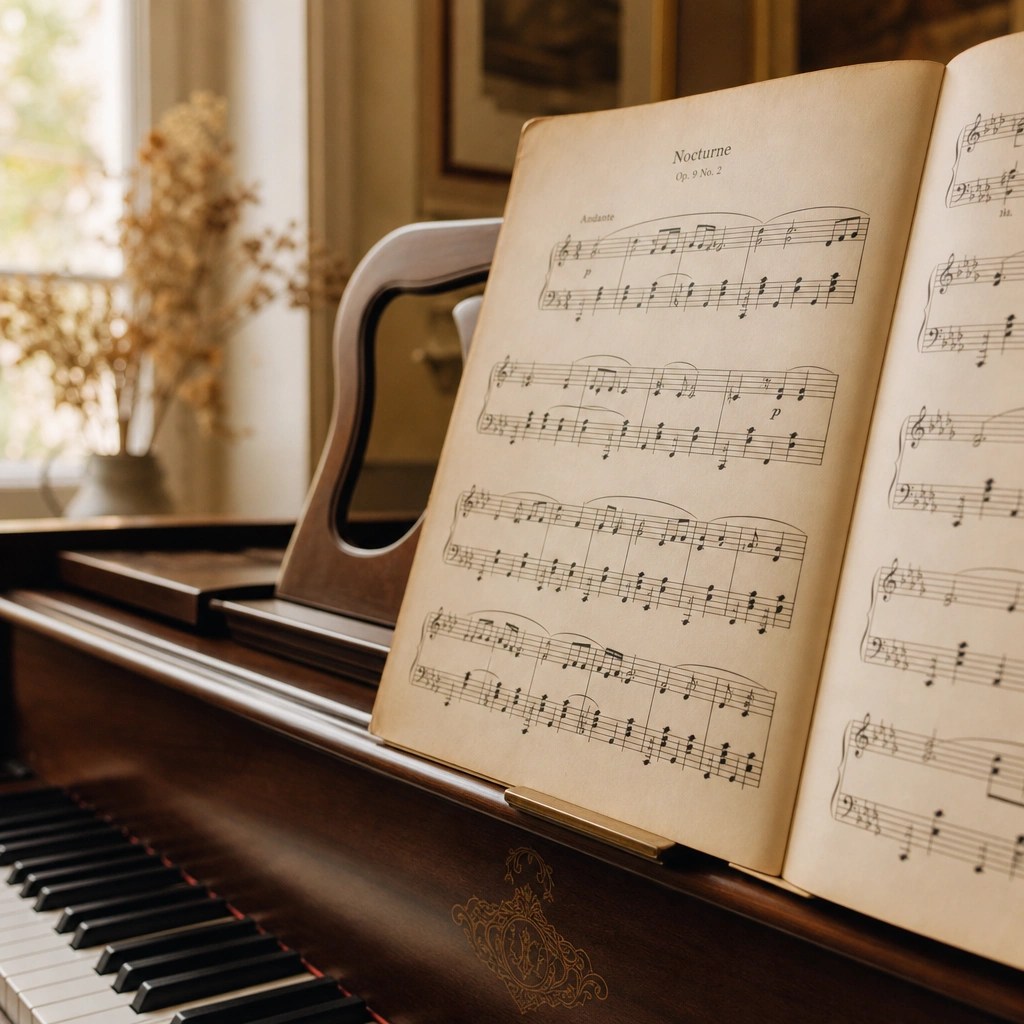
That said, “harder” doesn’t mean “worse.” Reading both clefs from day one builds a stronger foundation in music theory that many guitarists eventually have to backfill if they want to compose, arrange, or read orchestral parts. If your child is starting out, our guide on piano lessons for kids covers how reading skills develop at different ages.
Some students prefer to start by ear and layer in notation later – that’s a legitimate path too, and one I cover in my piece on how to learn piano without reading music.
Does piano or guitar hurt your fingers more?
Guitar hurts your fingers more in the first month – pressing steel or nylon strings against frets creates real, sometimes sharp discomfort until calluses form. Piano keys require no comparable toughening; the physical barrier to entry is lower, even if the coordination barrier is higher.
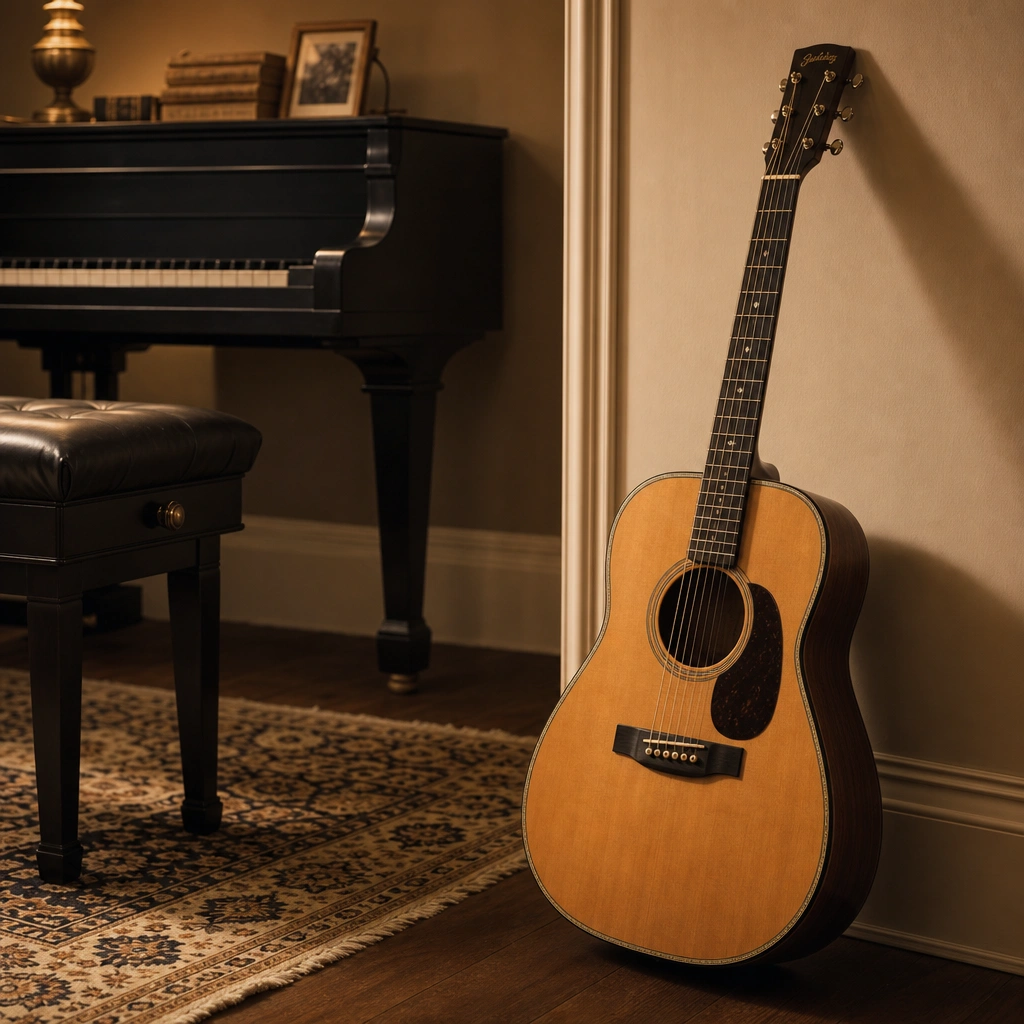
This is one reason younger kids and older adults often gravitate toward piano first – there’s no painful adjustment period standing between them and making music that sounds good.
“I started as a complete beginner, and Austin made the learning process feel comfortable.” – Noah Peterson
Which instrument is harder long-term?
Piano is generally considered harder long-term because advanced repertoire demands independent control of ten fingers, pedaling, dynamics, and sight-reading complex scores simultaneously. Guitar’s long-term difficulty comes more from technique specialization – fingerstyle, jazz voicings, or classical guitar each take years to master separately.
This is opinion shaped by teaching experience, not a universal fact – some concert guitarists would strongly disagree, and both instruments have genuine virtuoso-level ceilings.
- Piano’s ceiling: managing full orchestral-style textures with two hands and pedal
- Guitar’s ceiling: technical specialization across very different playing styles
- Both: ear training, theory, and musical interpretation take a lifetime either way
One thing I tell every student, regardless of instrument: consistent, well-structured practice beats raw talent almost every time. Our practice guide covers habits that apply whether you picked piano or guitar.
Which should I choose for my child?
Choose piano for a child who is drawn to structure, reading, and steady visible progress, and choose guitar for a child who wants to play songs quickly and move around while playing. Both build genuine musicianship if the child practices consistently and enjoys the process.
I’ve had kids as young as six thrive on piano because the keys are laid out visually – you can see the pattern of the notes. Guitar can be tougher for small hands to fret cleanly until around age eight or nine, though smaller-scale guitars help.
“Austin explains everything clearly and makes online piano lessons easy to follow.” – Emily Carter
Weaver Music works with all ages and levels, over Zoom worldwide or in person for Bay Area families, and every new student starts with a free 30-minute trial lesson – a skill check, questions answered, and a plan with a book list.
Common questions
Can I switch from guitar to piano easily?
Switching from guitar to piano is easier than starting fresh because you already understand rhythm, chords, and how music is structured. The main adjustment is hand independence and reading two staves, which most guitar switchers pick up within a few weeks of focused practice.
Is it better to learn piano or guitar first if I want to learn both eventually?
Learning piano first is often recommended because its visual keyboard layout makes music theory and chord structure easier to understand. That foundation then transfers well to guitar, though plenty of successful musicians learned guitar first with no issue either way.
Do adults struggle more than kids with piano’s hand coordination?
Adults often struggle more initially because they overthink hand independence, while kids tend to absorb it through repetition without self-consciousness. In my experience, adult students who practice slowly and patiently close this gap within 6-10 weeks.
Which instrument is cheaper to get started with?
Guitar is usually cheaper upfront since a decent beginner guitar costs less than a full-size digital piano. However, piano lessons often need fewer supplementary purchases long-term, since one instrument covers reading, theory, and technique without needing separate amps or accessories.
Is piano or guitar louder for apartment living?
An acoustic guitar is generally quieter than an acoustic piano, but a digital piano with headphones can be played silently at any hour. If you live in a shared space, check our guide on practicing piano in an apartment for practical solutions.
How long until I can play a full song on either instrument?
Most beginners play a complete, recognizable song on guitar within 2-3 weeks and on piano within 6-8 weeks, assuming daily practice of 15-20 minutes. Piano songs tend to sound more polished once you get there, since both hands are already coordinated.
Ready to find out for yourself?
Your first 30-minute lesson with me is completely free – we will evaluate where you are, talk through your goals, and map out your path.