
The short answer
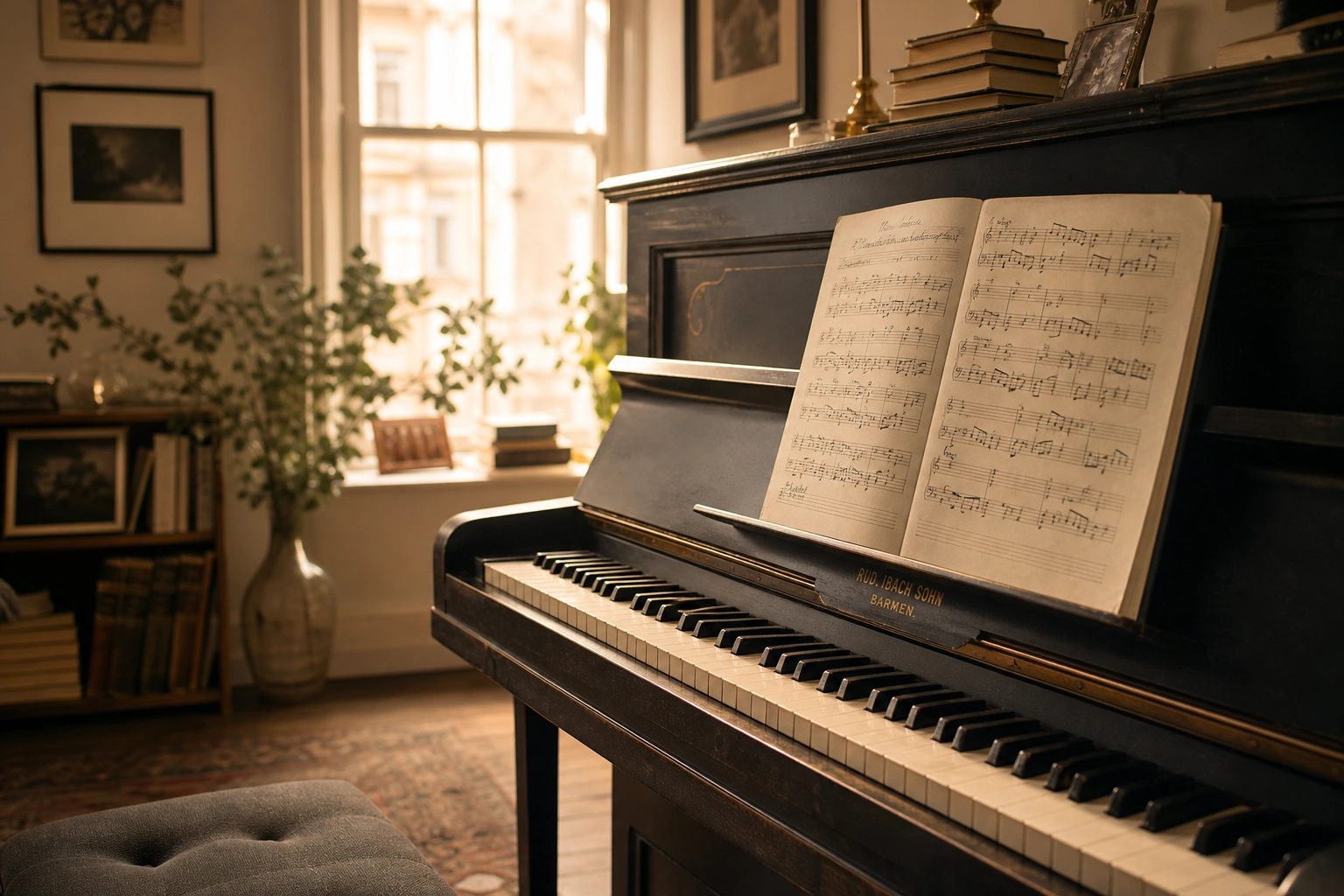
Yes, you can take piano lessons to learn a specific song. Many students come to me wanting exactly this – a wedding first dance, a song for a parent’s memorial, a favorite pop tune – and a good teacher can build a whole short course around that single piece, adjusted to fit your current skill level.
I do this often at Weaver Music, and it’s genuinely one of my favorite things to teach. Every new student, whether they want a full curriculum or just one song, starts with a free 30-minute trial lesson so we can figure out where you’re starting from and what’s realistic.
Why would someone want lessons for just one song?
People seek out piano lessons for one song for very specific, time-bound reasons: a wedding, a funeral, a birthday tribute, a proposal, or simply a favorite song they’ve dreamed of playing for years. The goal is usually emotional, not academic – they’re not trying to become pianists, they want to play this one thing well.
In my studio, the most common requests fall into a few categories:
- A first dance or ceremony song for a wedding
- A tribute piece for a memorial service
- A childhood favorite an adult finally wants to check off their list
- A song a parent wants their kid to perform at a school event
- A film or video game theme the student has loved for years
I had a student learn “Married Life” from Up for her father-daughter dance. She’d never touched piano before, and we had eleven weeks. That’s a real, workable timeline – but only because we built the lesson plan around that one song from day one instead of trying to squeeze it into a generic beginner curriculum.
How do lessons for a specific song actually work?
Lessons built around one song start with a skill assessment, then the teacher breaks the song into small sections – usually right hand melody first, then left hand, then hands together – and assigns focused daily practice for each chunk before moving to the next.
Here’s what that process typically looks like session to session:
- First lesson: assess current skill level, listen to the song together, identify the hardest passages
- Get or create sheet music at the right difficulty for the student
- Learn hands separately in 4-8 measure chunks
- Combine hands slowly, measure by measure
- Add dynamics, pedaling, and tempo once accuracy is solid
- Polish and perform – sometimes recording a video for the event
This is where a custom arrangement matters enormously. At Weaver Music, I write or transcribe an arrangement at the student’s actual level, then rewrite it harder as they improve over the weeks, so the song never feels either too easy or impossibly out of reach.
How long does it take to learn one song on piano?
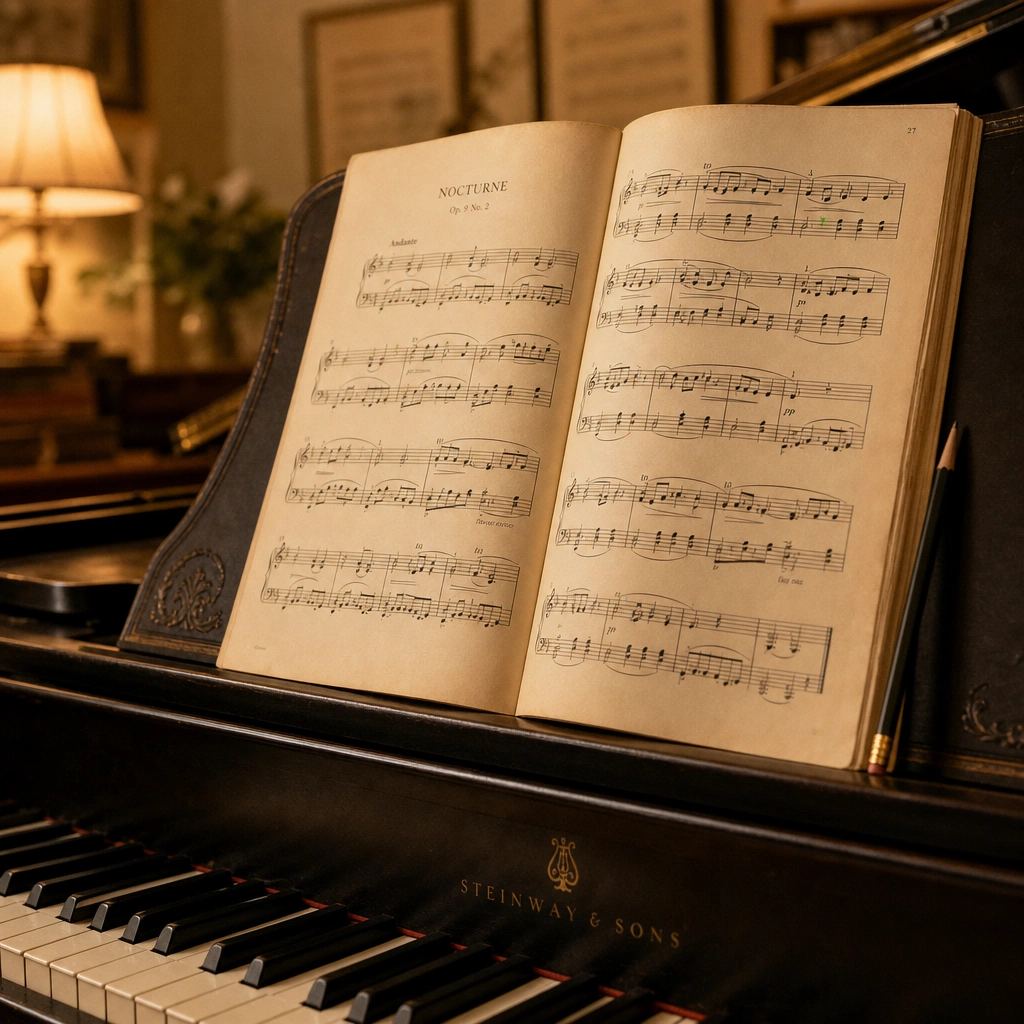
Most complete beginners can learn a simplified version of a moderately easy song, such as a slow pop ballad, in 6-10 weekly lessons with 15-20 minutes of daily practice. A more advanced piece, or someone with zero prior practice time, can take 3-4 months or longer.
Several things shift that timeline in either direction:
- Prior experience: a rusty former student relearns faster than a true beginner
- Practice consistency: daily 15-minute sessions beat one long weekly cram every time
- Song complexity: a simplified arrangement of a Coldplay song is faster than an original Chopin nocturne
- How much hands-together coordination is required: this is usually the real bottleneck, not reading the notes
I tell parents and adults the same thing: the biggest mistake I see is trying to learn a song at full difficulty right out of the gate. Simplify it first, nail it, then layer complexity back in. For a broader look at typical timelines, our guide on how many piano lessons it takes to play a song breaks this down further by skill level. If you want a sense of how professional teaching organizations think about pacing and repertoire selection, the Music Teachers National Association publishes general guidance on age- and level-appropriate repertoire that lines up closely with what I do in the studio.
If you’ve got a song and a deadline – a wedding, a recital, a tribute – I can build a plan around it starting with your first lesson. Your first 30-minute lesson with Austin is free – no card, no pressure.
What if there is no sheet music for the song I want?
A teacher can transcribe a song by ear when no sheet music exists, listening to the recording section by section and writing out a playable arrangement at the student’s level. This is common with newer pop releases, video game scores, and non-Western songs that publishers never notate.
I’ve done this for anime themes, K-pop songs, and one memorable request for a bride’s grandmother’s favorite Portuguese fado song that simply didn’t exist in print anywhere. I sat with headphones, picked out the melody and chords by ear, and wrote a simplified two-page arrangement she could realistically learn in ten weeks. This ear-transcription work is the piece most generic method-book curriculums can’t offer.
How much do lessons for one song cost?
At Weaver Music, lessons cost $60 for 30 minutes, $80 for 45 minutes, or $99 for 60 minutes.
Every student starts with a free 30-minute trial lesson – no card required – where we do a skill check, answer questions, and map out a plan. The only extra cost outside lesson fees is books.
“Austin explains everything clearly and makes online piano lessons easy to follow.” – Emily Carter
Lessons happen live over Zoom. Read more about how the format works on our piano lessons on Zoom page.
Is it better to learn just one song or take regular lessons?
Learning one song is a great choice when you have a specific event or goal and limited time; ongoing standard lessons are better if you want lasting skill, comfortable reading, and the ability to pick up new songs on your own afterward. Many students actually start with piano lessons to learn a specific song and continue once they catch the bug.
I see this constantly. A student comes in wanting “Clair de Lune” for a specific occasion, and three months later they’re asking about scales and theory because they realized they actually enjoy the process. There’s no wrong door in – starting with a song you love is a completely legitimate, research-backed way to stay motivated. According to the American Psychological Association, intrinsic motivation (wanting to learn something because you personally care about it) is one of the strongest predictors of sticking with a skill long-term, more so than external pressure like grades or exams.
If you’re a parent weighing options for a child instead, our page on piano lessons for homeschoolers covers flexible scheduling that works well alongside song-focused goals.
Common questions
Can an adult beginner realistically learn one song from scratch?
Yes. Adult beginners with no piano background regularly learn a simplified version of one song in 8-12 weekly lessons, provided they practice the assigned sections for 15-20 minutes most days rather than cramming once a week.
Do I need to know how to read sheet music to learn just one song?
No. Many students learn a single song entirely by ear, following a teacher’s demonstration and finger patterns, though basic note-reading usually speeds up the process once you get past the first few weeks.
Can I bring my own recording of the song instead of sheet music?
Yes. A teacher can listen to your recording and either find matching sheet music or transcribe the song by ear directly from the audio, building an arrangement that matches exactly the version you want to play.
What if I only need the song for one event and don’t want ongoing lessons?
That’s completely fine. Many students book a short block of lessons – often 6 to 12 sessions – specifically to prepare one song for a wedding, funeral, or recital, then pause lessons once the event has passed.
Will learning one song teach me any real piano skills?
Yes, to a degree. You’ll pick up hand coordination, basic rhythm reading, and some technique specific to that song’s patterns, though it won’t build the broader skill base that comes from a full curriculum covering scales, theory, and varied repertoire.
Can kids take lessons just to learn one song for a recital or talent show?
Yes, this is a common and appropriate request. A teacher can simplify the arrangement to match a child’s current skill level and pace the lessons around the performance date, which often builds confidence and motivation to continue afterward.
If you’re ready to figure out what’s realistic for your song and your timeline, book a free trial lesson and we’ll map it out together – no pressure either way.
Ready to find out for yourself?
Your first 30-minute lesson with me is completely free – we will evaluate where you are, talk through your goals, and map out your path.
